


TL;DR Gen Z’s “maxxing” is a meme-coded way of turning life into an optimization system because routines are controllable, measurable, and highly shareable. It’s part self-care, part status signal, part algorithm bait. Brands can win by translating maxxing into simple, credible, low-pressure systems (not shamey perfection), especially where health and appearance are involved.
Fiber maxxing. Sleep maxxing. Looksmaxxing. Scent-maxxing. Moneymaxxing. Couples maxxing. Gymmaxxing. Even Chinamaxxing (whcih has been debated in the Guardian between playful and cultural appropriation). The formula is always the same: take something ordinary, turn it into a system, then optimize it until it becomes content.
At first glance, it reads like a meme, an intentionally over-serious word for an unserious internet life. But the reason it’s spreading is exactly because it sits at the intersection Gen Z lives in every day: self-improvement + performance + algorithmic validation + anxiety about the future. “Maxxing” isn’t just a trend. It’s a worldview.
Maxxing is self-care with a scoreboard
Previous generations did “wellness.” Gen Z does wellness with receipts.
Maxxing turns fuzzy aspirations (“I want to feel better”) into measurable actions (“here’s my 30g fiber day” / “here’s my seven-step night routine” / “here’s my jawline protocol”). It gives people a sense of progress in a world that often feels stuck: expensive housing, volatile job markets, climate dread, burnout, and a constant sense that you’re behind.
And crucially, it gives the internet what it wants: a repeatable format.
Maxxing is an easy content engine:
A list of hacks
A before/after
A product lineup
A routine shot in perfect bathroom lighting
A comment section full of “drop the link” and “does this actually work?”
That last part matters. On platforms built to reward certainty, intensity wins. Maxxing language is intensity in a single suffix.
Why Gen Z is especially falling for it
1) The algorithm loves optimization narratives.
A maxxing post is built for engagement: it invites debate (“mouth taping: yes or no?”), comparison (“rate my routine”), and shopping (“what supplements are those?”). Trends like sleepmaxxing have explicitly become aestheticized “ritual content,” where the bedroom becomes a set and the routine becomes the plot.
2) It’s control in an out-of-control era.
When big systems feel unfixable, people shrink the battlefield to what they can control: their skin, their sleep, their gut, their relationship, their vibe. Fibermaxxing is a perfect example: it’s just “eat more fiber,” but rebranded into something that feels like an active strategy and dietitians are even saying this one is broadly a good idea.
3) It’s status signaling, just updated.
Millennials flexed “busy.” Gen Z flexes “optimized.” A $12 green powder is less the point than the message: I’m taking my life seriously. Even when maxxing is framed as health, it can become lifestyle hierarchy, who’s doing it “right,” who’s disciplined, who has the best setup, who has the best results.
4) It’s identity-building when institutions feel flimsy.
Maxxing offers micro-identities: the sleepmaxxer, the fibermaxxer, the looksmaxxer, the couples-maxxer. You don’t need a stable career ladder or traditional milestones to feel like you’re “building” something, you can build a version of yourself in public.
The dark side: when “maxxing” stops being playful
Maxxing can be harmless… until it isn’t.
Looksmaxxing in particular has a complicated lineage. While the mainstream version often looks like skincare, haircare, or gym routines, multiple observers note connections to harsher online subcultures, where appearance is treated as destiny and ranking systems reduce humans to “scores.” That’s when self-improvement shifts into self-surveillance or harmfulness and brands need to be extremely careful about what they validate.
The broader risk is that maxxing language implies there is always a “more,” always an upgrade, always a failure state. If you can maxx your sleep, why aren’t you? If you can maxx your relationship, what does it say if you don’t?
Which brings us to couples maxxing.
Couplesmaxxing is love, but make it a project plan
Couples maxxing shows up as:
optimizing date nights (themes, rules, checklists)
optimizing communication (scripts, frameworks, “relationship meetings”)
optimizing aesthetics (matching outfits, curated domesticity)
optimizing “proof” (milestone posts, couple content cadence)
It’s not that Gen Z is less romantic. It’s that romance is now happening in a world where:
love is content
compatibility is a quiz
therapy language is mainstream
and “working on yourself” is expected
So “working on us” becomes another arena for performance and another marketplace for products.
How brands have tapped the maxxing moment
Brands don’t need to invent maxxing. They just need to translate it into credible, non-cringe utility or they risk sounding like a parent using slang wrong.
1) “Fibermaxxing” as permission for the boring-but-good choice
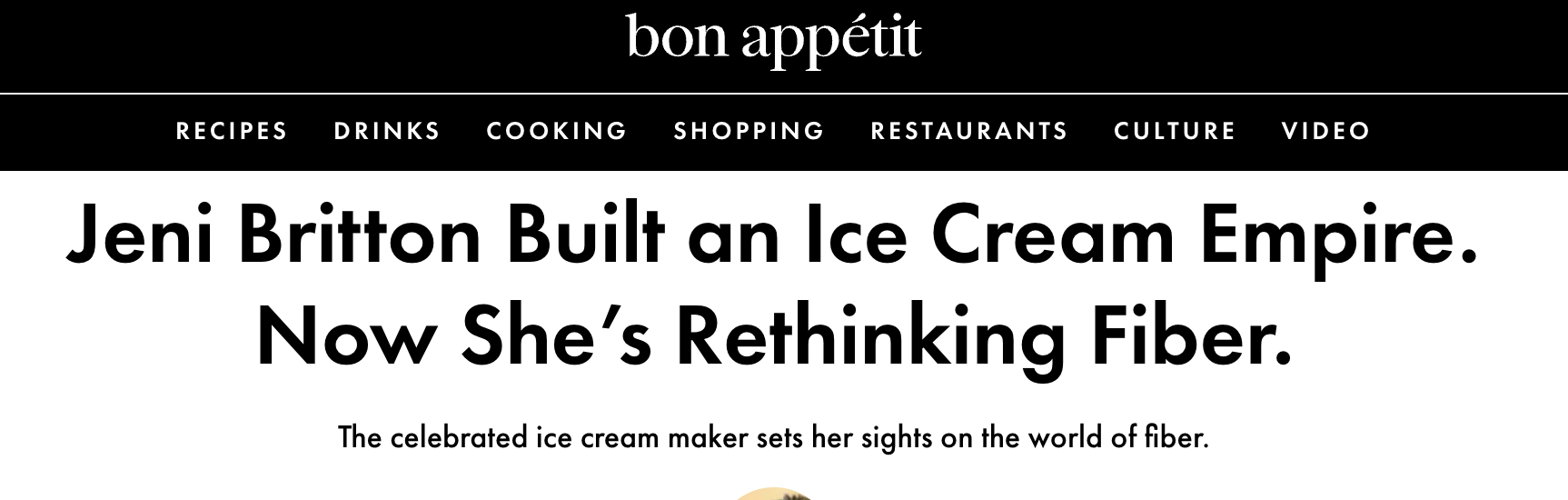
Life Time (the health and fitness brand) jumped into fibermaxxing by “weighing in” on the trend and positioning it around metabolic health and recommended intake essentially using the viral term as a hook to deliver more evergreen guidance.
This is the sweet spot: meet people where they are linguistically, then add value.
2) The “maxxing” suffix as a format for lifestyle stacks
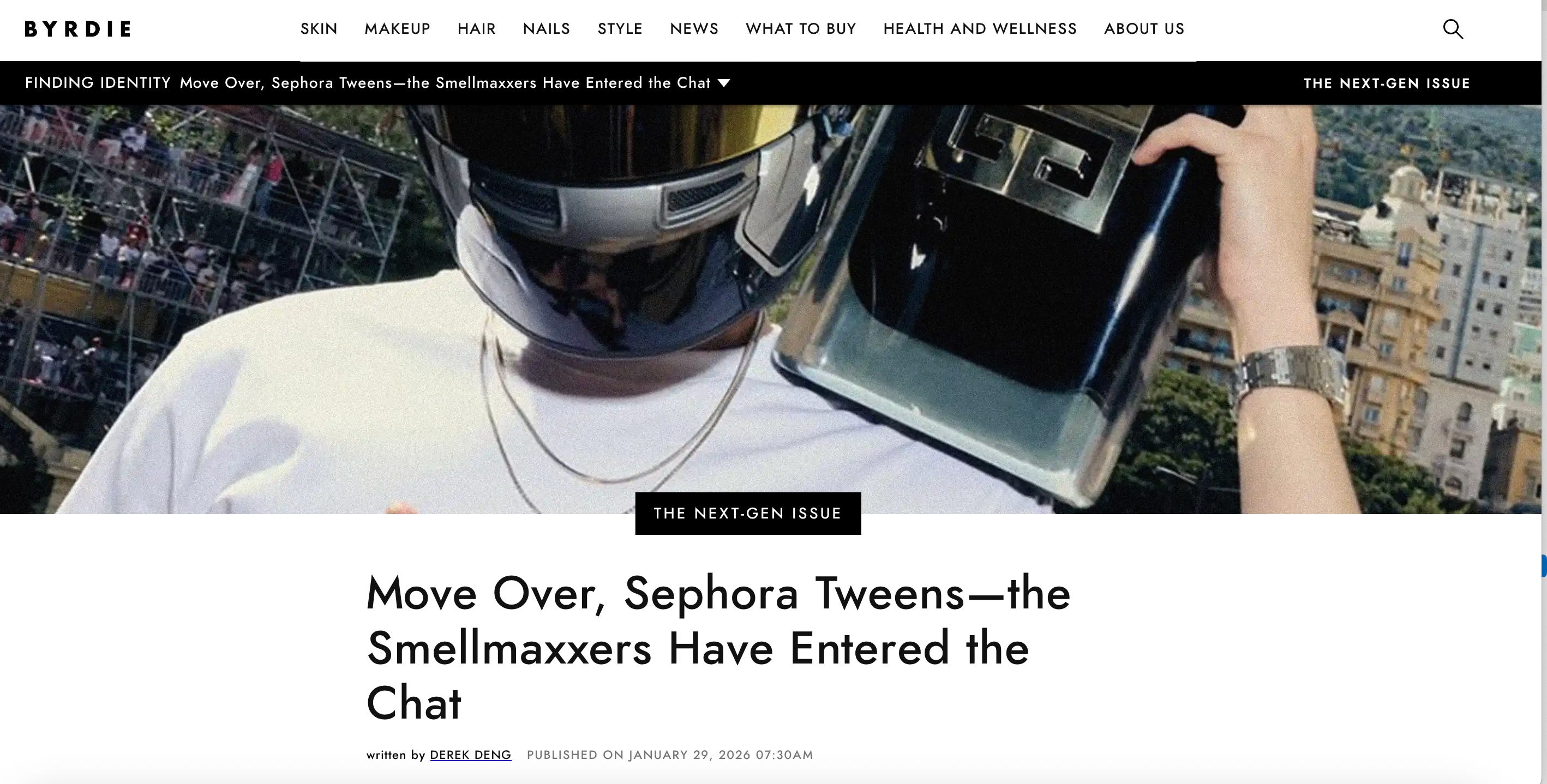
“Scent-maxxing” or “smell-maxxing” = fragrance layering turned into a full routine, shows how quickly maxxing becomes a consumption architecture: you don’t just buy one thing, you build a system of things. Beauty and wellness brands love this because it naturally creates “steps,” bundles, and repeat purchases, but it can also intensify pressure.
3) Trend decoding as content (not just ads)
Agencies and brand publishers are increasingly treating “maxxing” as a cultural signal worth explaining especially in food and nutrition, where the rhetoric can swing from “miracle” to “danger” fast.
This is an important move: sometimes the best brand play is not a product push, but becoming the translator that helps audiences navigate hype responsibly.
What brands can learn from maxxing
1) Gen Z doesn’t want motivation, they want systems.
If you can turn your benefit into a simple protocol (a “stack,” a routine, a checklist), you’re speaking the native language of maxxing. But keep it realistic: “better” beats “perfect.”
2) Credibility is the cost of entry.
Maxxing trends look playful, but they often touch health, mental wellbeing, and self-image. The brands that win will be the ones that can cite experts, provide guardrails, and avoid absolutist claims, especially around appearance and body topics.
3) Give people agency, not anxiety.
Maxxing can easily slip into shame: if optimization is possible, then not optimizing feels like failure. Brand messaging should de-intensify: “here’s a helpful option,” not “here’s the standard.”
4) Build community around progress, not perfection.
The most resonant maxxing content isn’t “I’m flawless”, it’s “here’s what worked for me,” “here’s my small upgrade,” “here’s the version you can actually sustain.”
5) Don’t just sell products, sell relief.
Underneath every maxxing trend is the same emotional ask: help me feel in control. The brands that last won’t be the ones that shout “MAXX IT!” the loudest. They’ll be the ones that make optimization feel gentler, safer, and more human—because in a world where everything is telling Gen Z to do more, the real luxury is a brand that helps them feel like they’re already enough.
Hi! I’m Felicitas, a brand executive focusing on innovation across brands and products from a cultural insight perspective. Drawn to “what’s trending” and “the next thing” I write about cultural phenomena and forces, and how they impact brand marketing today and tomorrow. If you’re looking to understand the business of culture and trends, this newsletter is for you.