

[51] Cyber Confessionalism: Between Transhumanist Aesthetics 👽and Transparent Authenticity 💉
The Duality of Female Self-Optimization in 2025

Hi! I’m Felicitas, a brand executive focusing on innovation across brands and products from a cultural insight perspective. Drawn to “what’s trending” and “the next thing” I write about cultural phenomena and forces, and how they impact brand marketing today and tomorrow. If you’re looking to understand the business of culture and trends, this newsletter is for you.
TL;DR The cultural terrain of female self-optimization is undergoing a dramatic shift, marked by a striking duology. On one side, there's an accelerating embrace of hyper-technologized beauty a “transhumanist” quest for enhancement using tweakments like salmon sperm facials, skin-tightening lasers, and advanced biotech-based skincare. On the other, there's a growing movement toward transparency, especially from celebrities, who are revealing the extent of their cosmetic interventions with a candor that was once taboo.
This paradox, at once cyborgian and confessional, reflects deeper shifts in identity, power, and perception. For brands, understanding this dynamic is crucial to remain relevant and culturally resonant.
Synthetic Seflhood: Biohacking the Feminine Ideal
In the realm of female self-optimization, one visible thread is the pursuit of technologically-enhanced beauty, a kind of soft transhumanism embedded in the mainstream.
Emerging Tools & Treatments: Procedures like salmon sperm facials (touted for their regenerative properties), radiofrequency microneedling, and peptide-based injections are gaining traction. They're less about dramatic transformation and more about achieving an ageless, unplaceable perfection. SKIMS’ “Facelift” facial tape, for example, packages high-performance enhancement into an accessible consumer product, blurring the lines between prosthetic and beauty tool.
Aesthetic Bio-Optimizing: High-protein diets, collagen supplements, and longevity-focused biohacking (e.g., cold plunges, red light therapy) are no longer niche. They signal an aesthetic anchored in health science and discipline — where looking good is tied to appearing optimized, not necessarily natural.

 Tiktok failed to load.
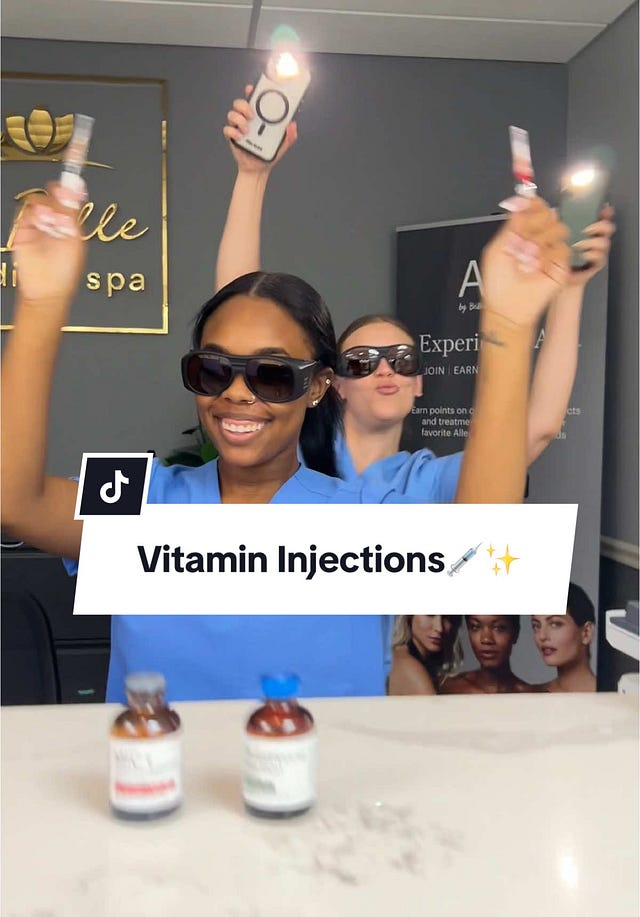
Enable 3rd party cookies or use another browserThe explosive growth of Medspas combining injectables, facials, lasers, and IV drips represents a new infrastructure of beauty. These spaces are not fringe anymore; they are normalized, recurring touchpoints for younger consumers.
 Tiktok failed to load.
Enable 3rd party cookies or use another browser
This thread leans into post-humanist values: performance, enhancement, even mild artifice. It reframes beauty from an inherited trait to a constructed, ever-improving process; a visible form of control in uncertain times.
The Rise of Transparency: Confessions of a Beautiful Life
Running in parallel is a countermovement where celebrities and influencers are pulling back the curtain.
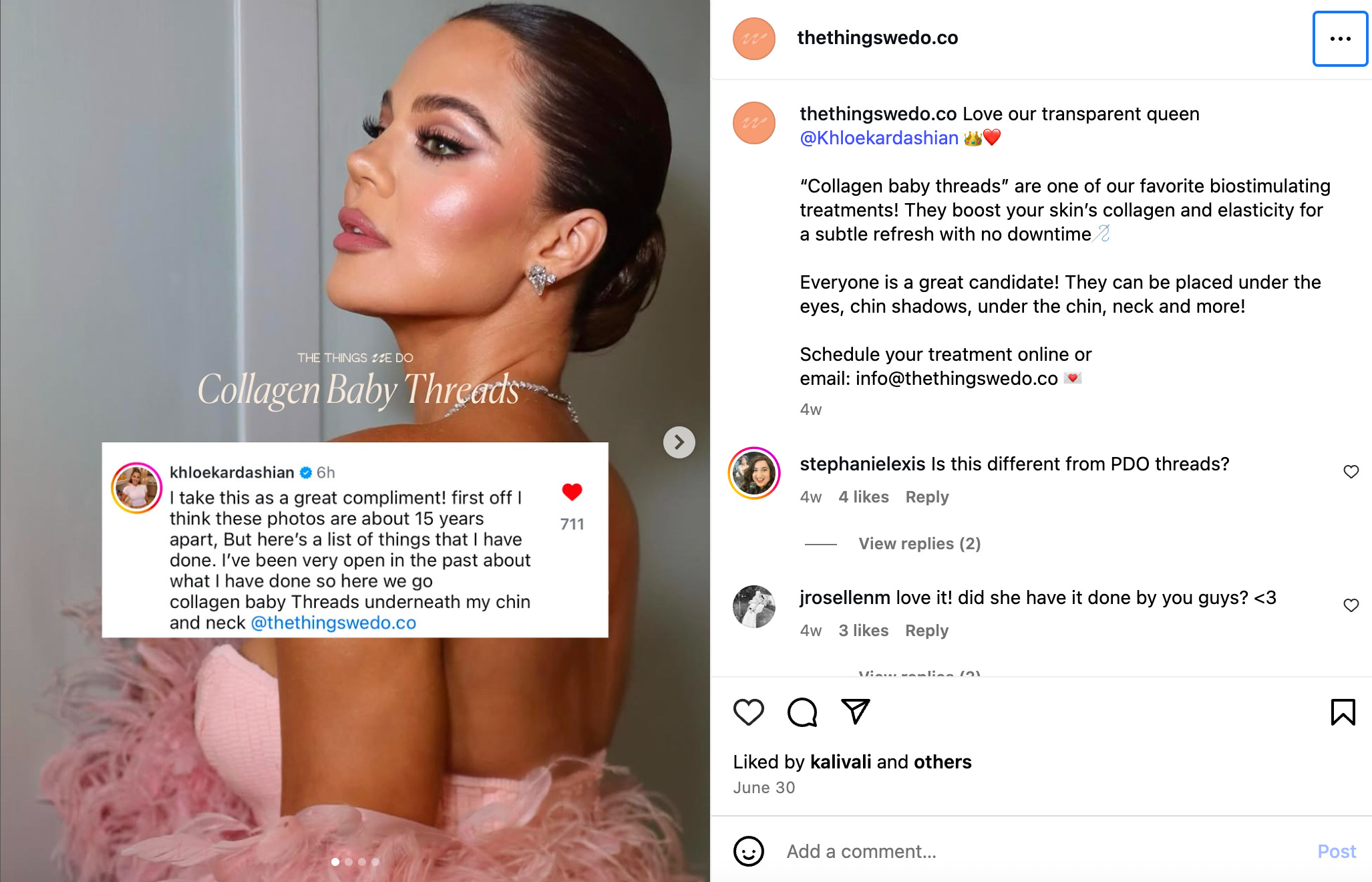
Surgical Realism: Kylie Jenner's admission of breast augmentation (postpartum), Bella Hadid discussing her nose job at 14, and influencers walking their followers through lip dissolving and filler reversals reflect a cultural swing toward authenticity-through-revelation. Even the once-polarizing BBL is now dissected with surprising frankness.
Relatability as Currency: Gen Z values self-awareness over illusion. The polished Instagram Face has lost some of its charm. Today’s admired influencers blend high-maintenance routines with low-key disclosure. Think of Megan Fox Earle explaining her tweakments or Alix Earl discussing her skincare as labor, not luck.
This isn’t a rejection of effort, it’s a reframing. Perfection is permissible, but must be contextualized, ideally with a humble, behind-the-scenes narrative.
What is Realness in the Age of Augmentation, Algorithms and AI?
So, what counts as real? The boundary between real and artificial is less important than whether the intentions feel sincere and the process is visible. Realness now means:
Owning the effort: The idea that beauty takes work is no longer shameful, it’s empowering when openly acknowledged.
Rejecting the myth of effortless perfection: Brands or people that pretend they “just woke up like this” increasingly ring hollow.
Performative transparency: But too much disclosure (especially if used as a calculated marketing tool) can feel as manipulative as silence once did.
Implications for Brands Seeking Cultural Influence
To stay culturally fluent, brands must walk the line between innovation and intimacy:
Smart brands don’t wait for trends to stabilize, they treat emerging beauty behaviors as prototypes for product development.
1. Use Trends as Product Intelligence: SKIMS’ Facelift Tape is a masterclass: a niche backstage hack turned mass-market fantasy product. It responded to the “snatched face” look and made it accessible, Instagrammable, and brand-consistent. This kind of cultural listening-as-R&D is key to driving both product relevance and earned media impact.
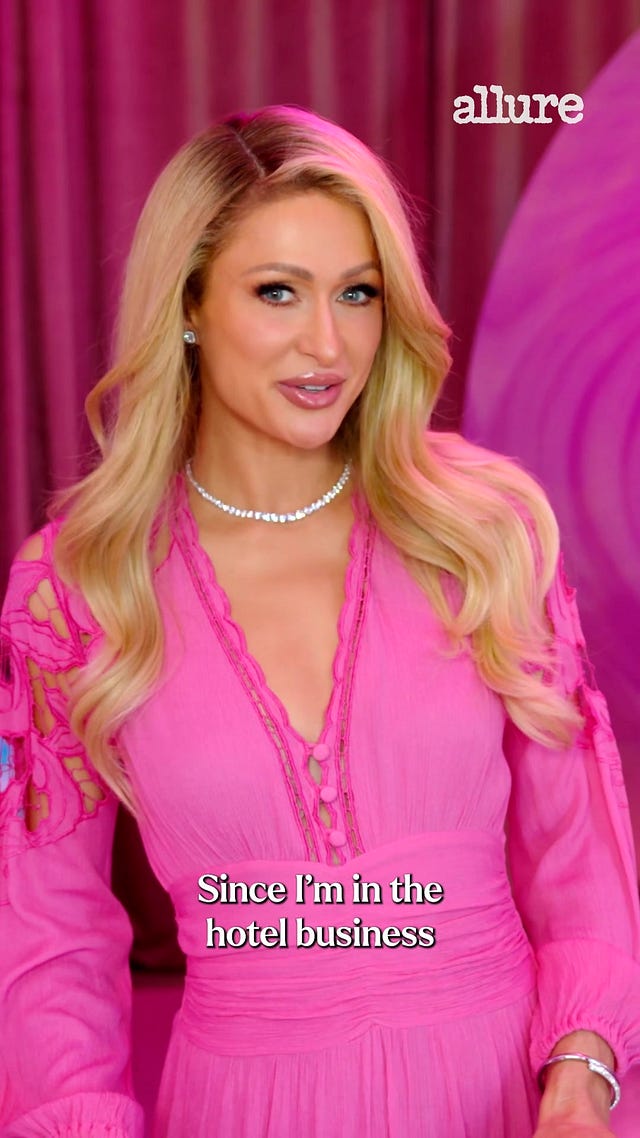
2. Position Optimization as Brand Identity: The launch of Paris Hilton’s Parívie signals a shift in luxury beauty: from indulgence to performance. With stem cell serums, “bionic” skin tools, and collagen elixirs, it positions optimization itself as the aesthetic. Brands can take a cue here: don't shy away from the science, the tech, or even the artifice. Consumers are no longer scared of high-maintenance — they’re curious, engaged, and proud of the effort.
 Tiktok failed to load.
Enable 3rd party cookies or use another browser
3. What’s visible is valuable: Transparency isn’t a trend, it’s the foundation of trust. Whether it's disclosing the use of AI in skin diagnostics, showcasing real results with real users, or having founders discuss their own tweakments: Treat Transparency as Brand Infrastructure.
Conclusion
Female self-optimization in 2025 is not about choosing between natural and artificial — it’s about narrating the process of becoming and defining what is real to you. The beauty journey is both technologically advanced and emotionally complex. Brands that thrive will be those who respect the intelligence of their audiences, reflect their contradictions, and offer tools, not illusions, for self-expression.
[ this article expresses the author’s personal POV and was created with the support of generative AI ]