

[96] The Prediction Paradox ♠️
Why the age of AI foresight is fueling a return to tarot, astrology, and modern witchcraft.

TL;DR As AI makes the future feel increasingly predictable and increasingly out of our control, people are turning to astrology, tarot, numerology, and modern witchcraft not because they believe more, but because they are searching for meaning, agency, and emotional authorship. This is not a rejection of technology. It is a response to algorithmic determinism. The brands that win will not promise certainty. They will help people interpret uncertainty and feel back in control.
The Prediction Paradox
We live in the most predictive moment in human history. Algorithms anticipate our behavior before we articulate it, forecasting what we will buy, watch, date, and even how productive or healthy we are likely to be. AI promises foresight at scale, with probability replacing mystery and optimization replacing intuition.
And yet, culture is moving in the opposite direction.
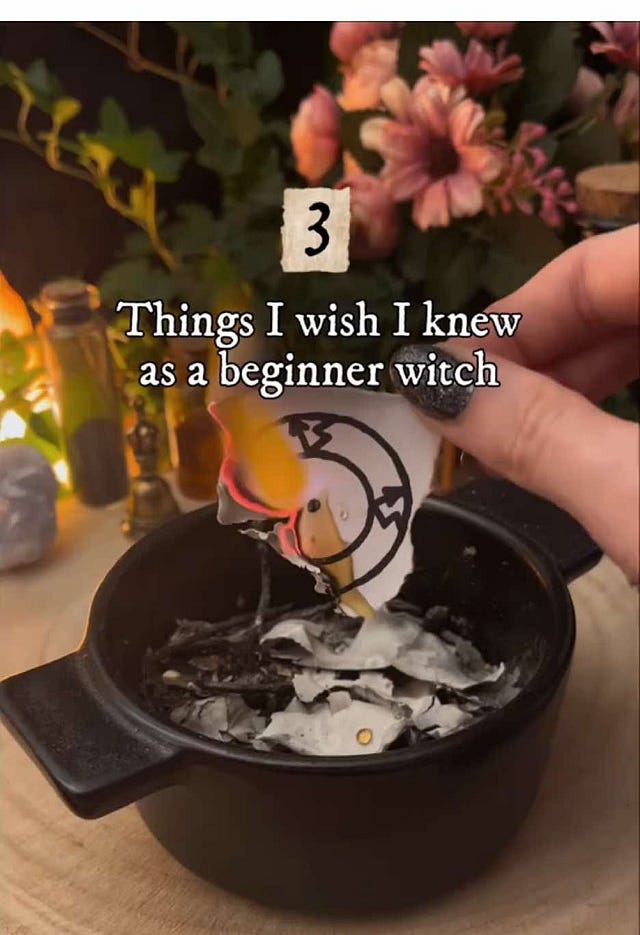
Astrology apps regularly rank among top lifestyle downloads. Tarot readings on TikTok generate billions of views, with #WitchTok alone surpassing 40 billion. Etsy reports sustained growth in searches for spell kits, crystals, and protection charms. Gen Z, in particular, openly blends mysticism with therapy language, wellness routines, and self-optimization.
The more predictive systems shape our lives, the less control we feel over them. AI offers prediction without participation. Credit scores, performance metrics, and recommendation engines determine outcomes, but they do not tell us how to live with them. These systems feel invisible, external, and unquestionable. Powerful, but emotionally inaccessible.
 Tiktok failed to load.
Enable 3rd party cookies or use another browser
Why Witchy Feels Right Right Now
Modern mysticism steps in where predictive tech stops.
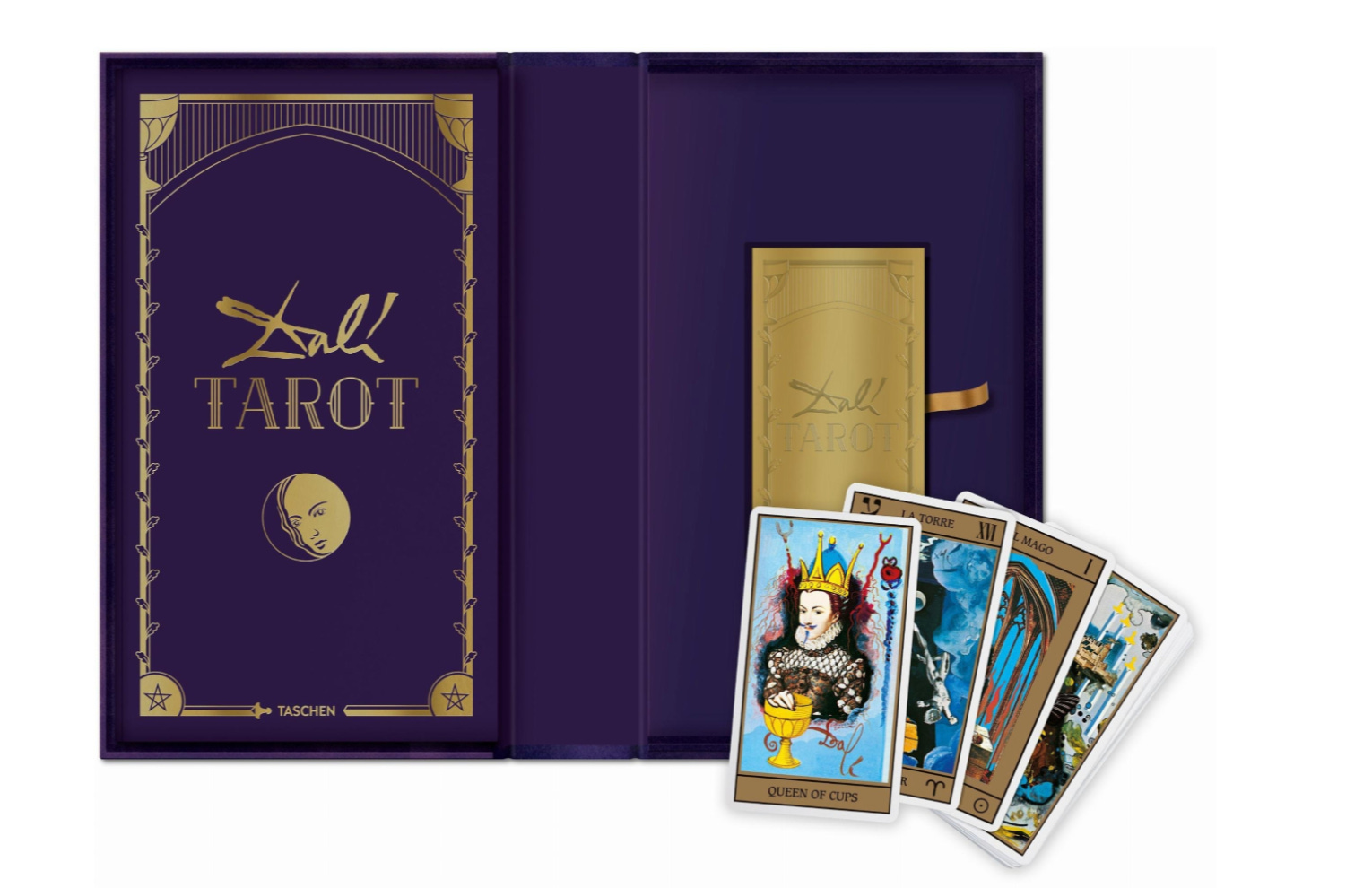
Tarot, astrology, and numerology do not promise accuracy. They promise interpretation. Where AI says this is likely to happen, mysticism asks what does this mean for me. That distinction matters. Tarot does not reduce uncertainty. It reframes it. Pulling a card does not predict the outcome. It gives the user a role in narrating their own moment.
In an era where life can feel pre-calculated, interpretation becomes a form of agency.
.
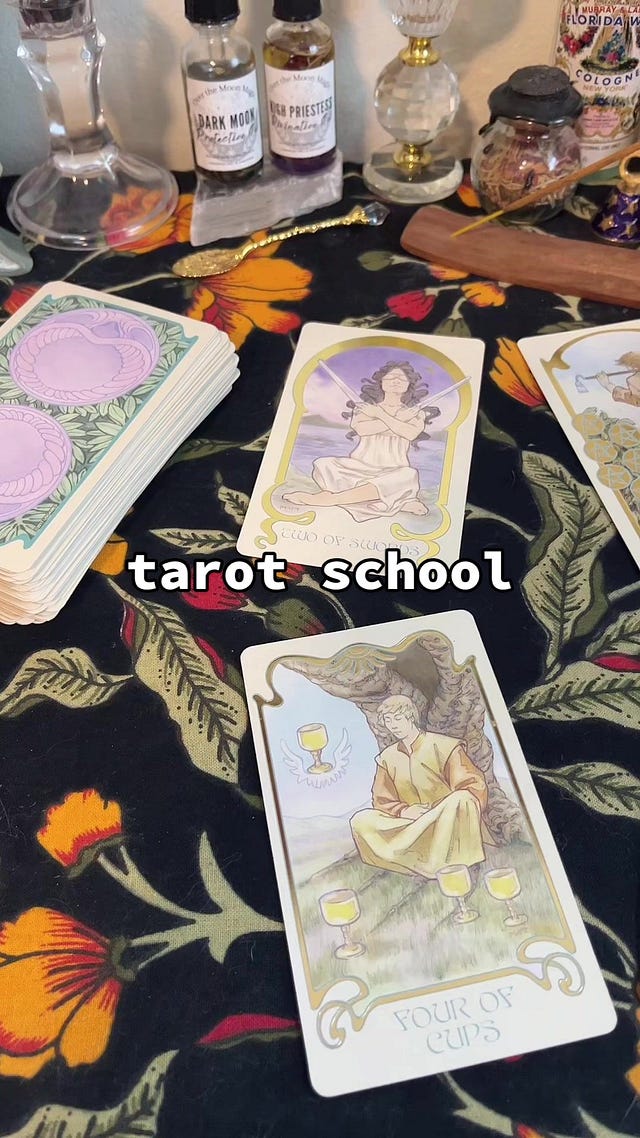
This is why witchy feels right right now. Control has become abstract. When systems decide outcomes at scale, people reclaim control symbolically. Lighting a candle, setting an intention, tracking the moon, or pulling a card are small, tangible acts of authorship in a world that feels increasingly pre-written. These rituals do not require belief to be effective. They offer emotional containment.
 Tiktok failed to load.
Enable 3rd party cookies or use another browser
Modern witchcraft functions less as religion and more as self-regulation. Ritual slows time, grounds the body, and creates psychological safety. This places it alongside breathwork, journaling, and somatic wellness. These are embodied responses to ambient anxiety rather than belief systems in the traditional sense.
Crucially, today’s mysticism is soft and modular. It does not demand faith or obedience. “I don’t believe in astrology, but…” has become a cultural refrain. This is spirituality without hierarchy, appealing to generations skeptical of institutions but hungry for meaning. It mirrors how people engage with wellness, therapy language, and even AI itself. Selectively, pragmatically, and on their own terms.
Pattern Hunger in an Algorithmic World
There is also a deeper pattern hunger at play. AI excels at statistical pattern recognition, but humans still crave narrative coherence. Astrology does not offer probability. It offers personality. It tells you that your anxiety is not random, it is cyclical. That your challenges are not meaningless, they are archetypal. Accuracy becomes secondary to resonance.
Platforms like TikTok, Etsy, and Substack have accelerated this shift by democratizing mysticism. Independent tarot readers, custom birth-chart creators, and spell-kit microbrands feel intimate and human-scale. These peer mystics offer something big systems cannot. Relational meaning. In contrast to faceless algorithmic power, they restore a sense of dialogue.
Cultural Proof Points
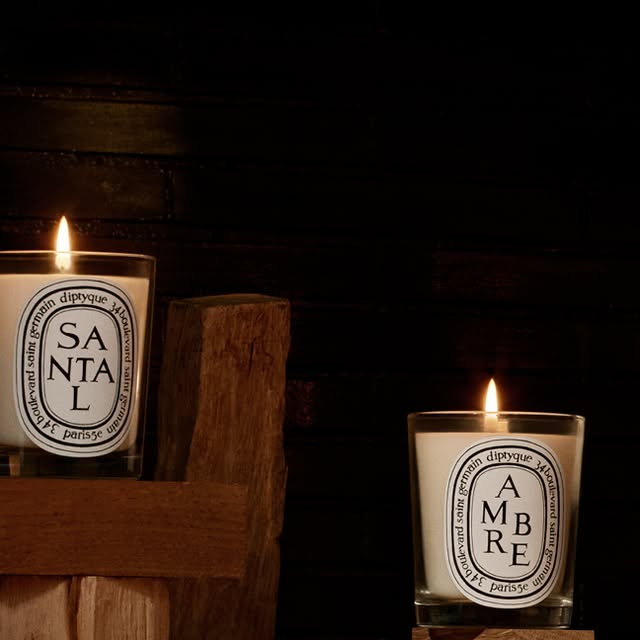
Brands have begun to notice. Diptyque has long framed fragrance as ritual rather than utility, with scents positioned as emotional talismans tied to memory, protection, and atmosphere rather than notes or performance.
Astrology apps like Co–Star translate horoscopes into daily prompts that feel psychologically actionable rather than fatalistic, blending mysticism with behavioral self-reflection.
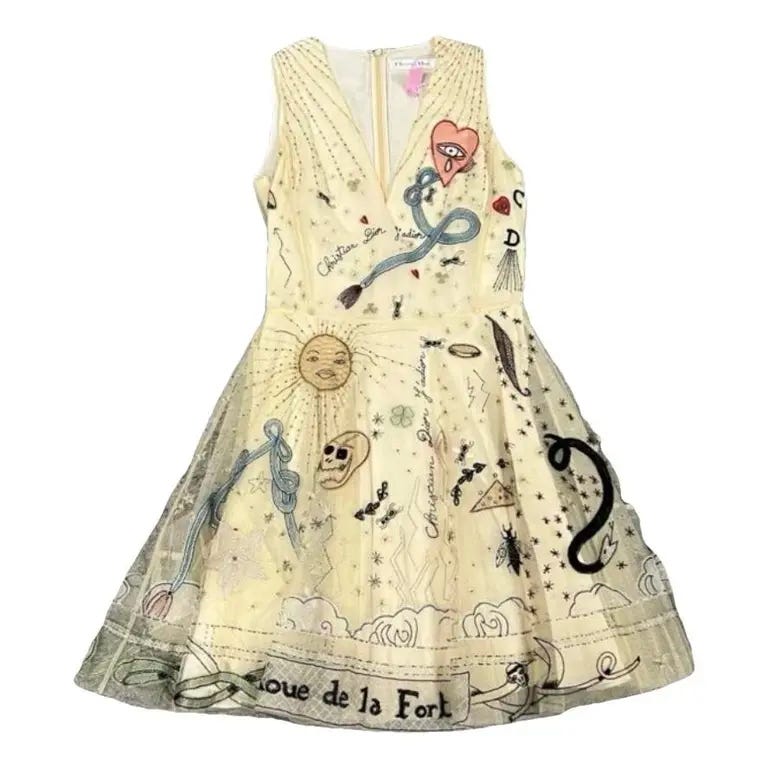
Dior, particularly through its Miss Dior and beauty storytelling, repeatedly draws on tarot, zodiac symbolism, and founder Christian Dior’s belief in destiny and signs, using myth and fate as emotional scaffolding rather than spectacle
.
Notably, the brands that succeed do not claim supernatural power. They borrow the emotional logic of mysticism while staying grounded in lived experience.
Brand risk and brand application
The danger is hollow mysticism. Consumers are quick to reject brands that treat witchcraft as aesthetic shorthand. Zodiac gimmicks without insight, manifestation language without emotional usefulness, or mystical visuals divorced from real tension read as opportunistic. This moment is not about cosplay. It is about emotional intelligence.
The brand opportunity is not better prediction. It is better interpretation.
In a world where AI tells us what will happen, the brands people trust will help them decide what it means and how to move forward. The future belongs not to those who promise certainty, but to those who give people permission to navigate uncertainty on their own terms.
Hi! I’m Felicitas, a brand executive focusing on innovation across brands and products from a cultural insight perspective. Drawn to “what’s trending” and “the next thing” I write about cultural phenomena and forces, and how they impact brand marketing today and tomorrow. If you’re looking to understand the business of culture and trends, this newsletter is for you.